
What Is Drawdown in Trading?
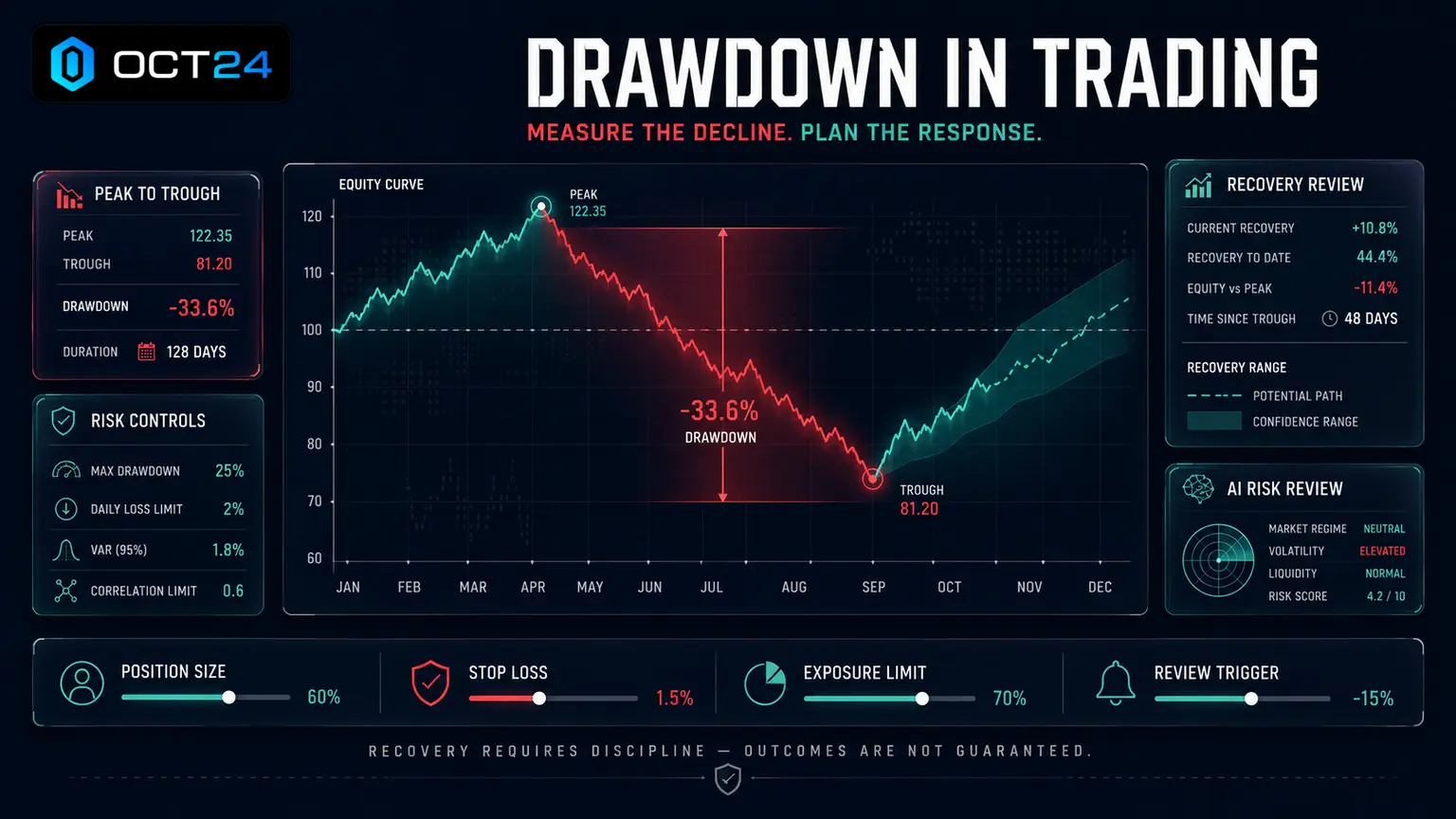
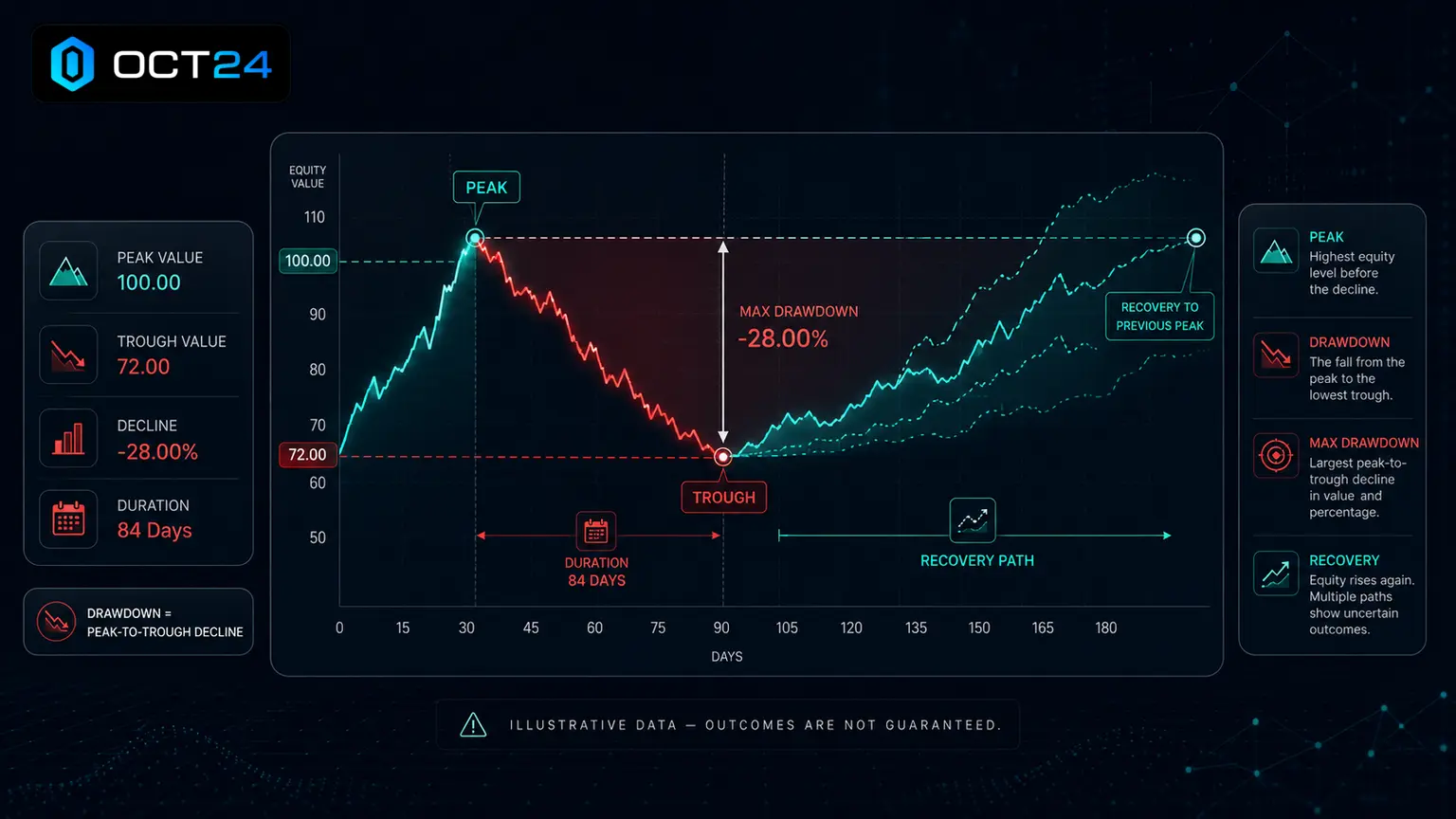
Drawdown in trading is the decline from a recent account high to a lower point before the account recovers. It shows how much capital a trader has lost from peak to trough, and it is one of the most important risk measurements for beginners to understand.
The simple answer is this: drawdown tells traders how deep a losing period has become. A small drawdown may be manageable. A large drawdown can make recovery much harder, even if the trader still believes the strategy is good.
For AI-supported traders, drawdown matters because fast tools, trading bots, and one-click execution can make decisions feel easier. Easier execution does not make risk smaller. Traders still need to understand exposure, capital allocation, and how much of the account could be affected during a losing period.
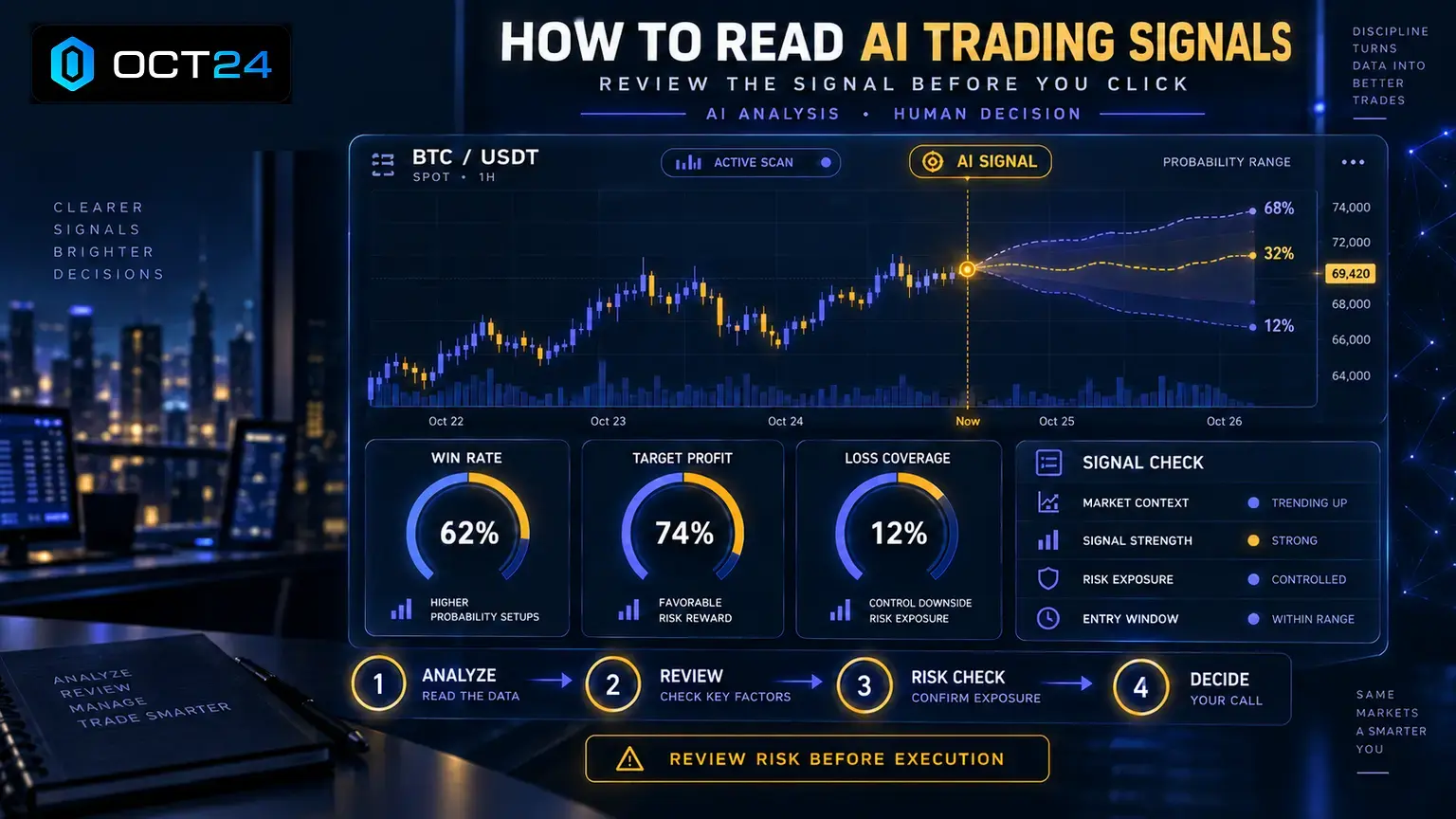
OCT24 presents AI-supported trade and bot opportunities with simplified metrics such as target profit, loss coverage, and win rate. Those metrics can support decision-making, but traders still need to think carefully about drawdown, position size, and how much capital they are prepared to risk.
What drawdown means in simple terms
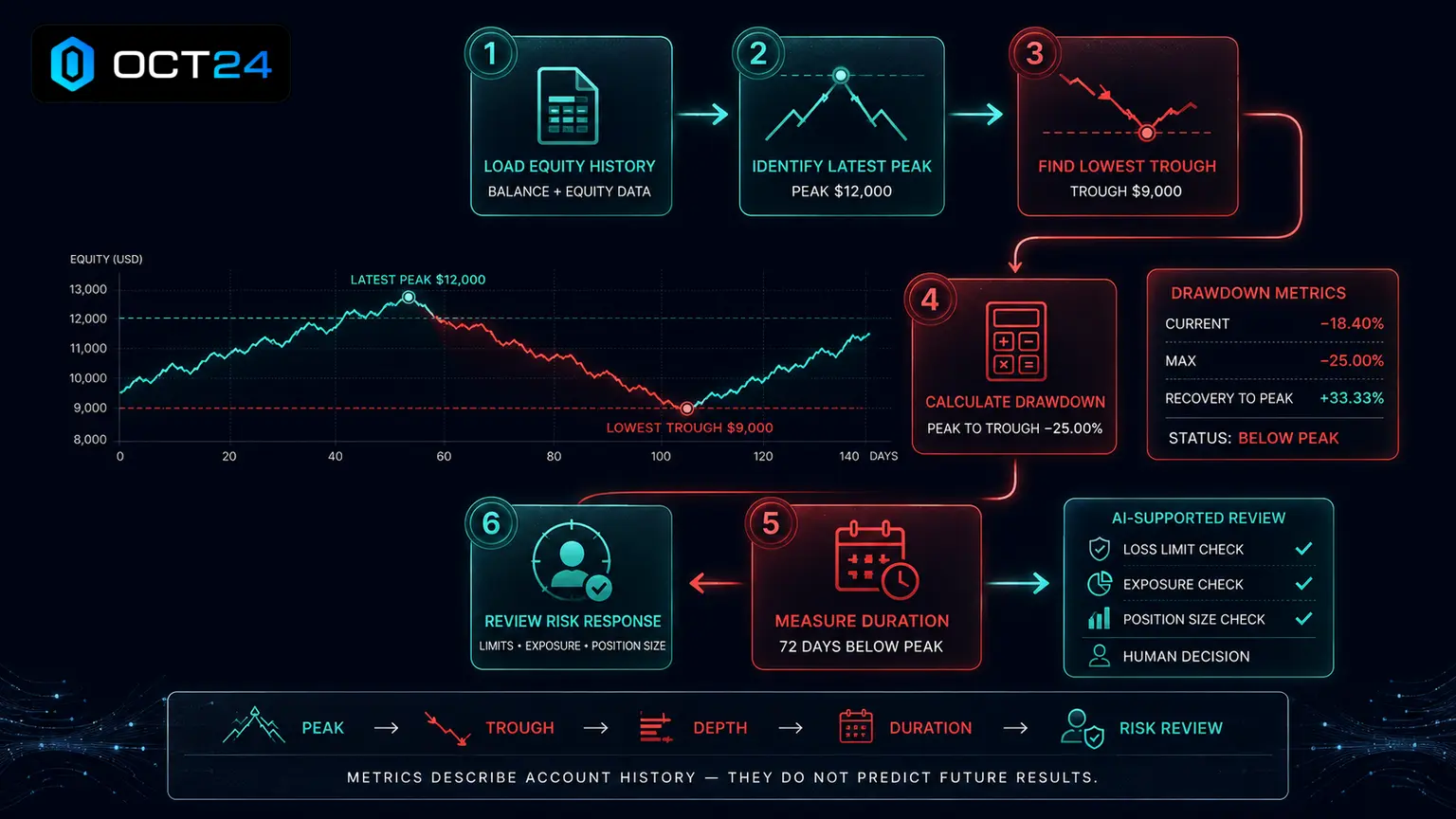
Drawdown measures how far an account falls from its highest point before recovering. If an account grows to $1,000 and then falls to $900, the drawdown from that peak is 10 percent.
The idea is simple, but the lesson is powerful. Drawdown shows the pressure a trader feels when results move against them. It also shows how much recovery is needed to return to the previous high.
A trader can have several winning trades and still experience drawdown later. Drawdown is not only a sign that a strategy is broken. It is a normal part of trading. The question is whether the drawdown is controlled, expected, and reasonable for the trader’s plan.
This is why drawdown is closely connected to AI trading risk vs reward. A trader should not only ask how much they could make. They should ask how much they could lose along the way.
Why drawdown matters
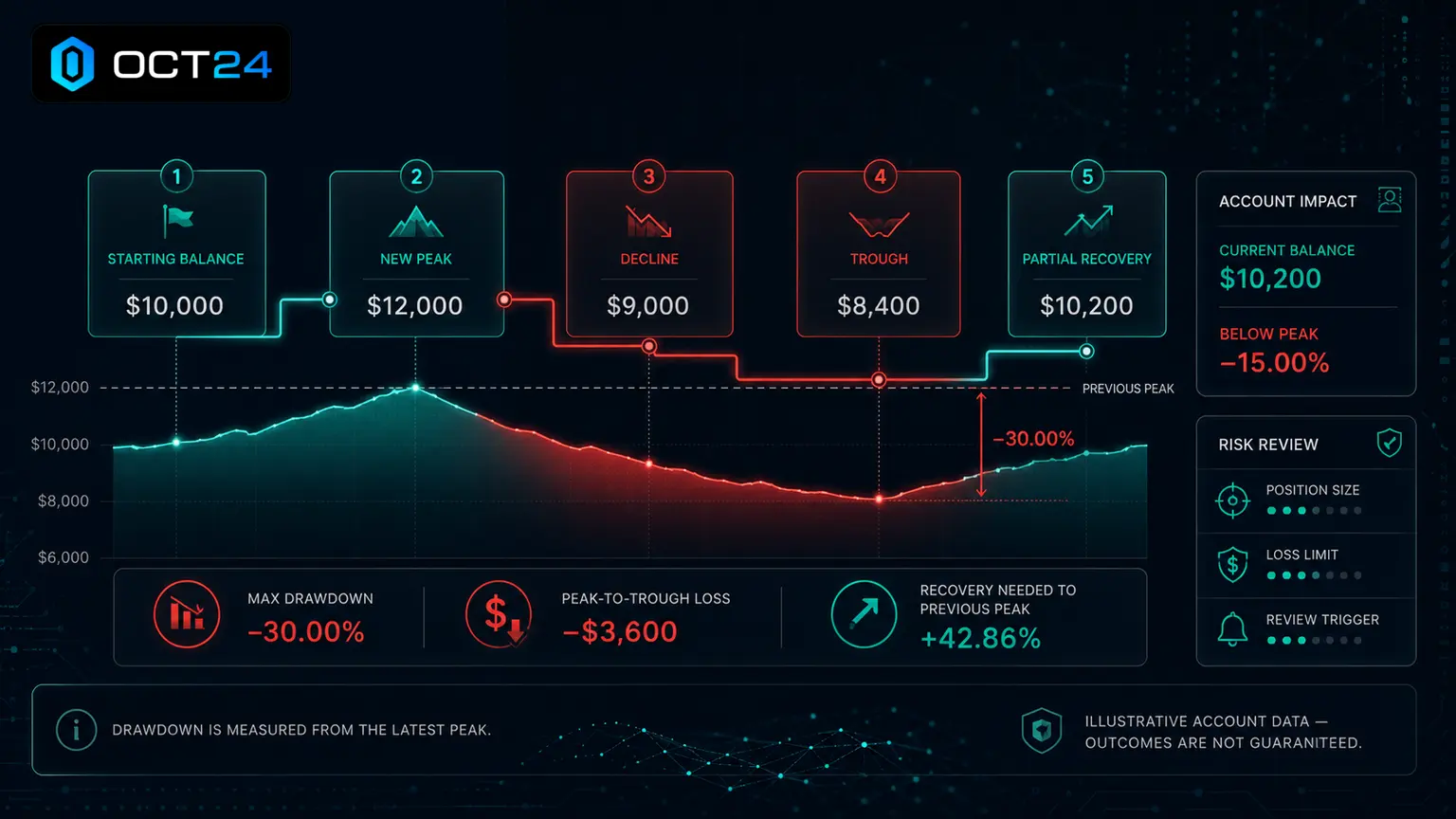
Drawdown matters because losses do not recover in a straight line. A 10 percent loss needs an 11.1 percent gain to recover. A 50 percent loss needs a 100 percent gain to return to the starting point.
That is why controlling drawdown is often more important than chasing large gains. When drawdown becomes too deep, the trader needs a much larger recovery just to get back to where they were.
Drawdown also affects psychology. A trader in a deep drawdown may become impatient, increase trade size, or take lower-quality trades to recover faster. Those emotional decisions can make the drawdown worse.
This connects directly to trading psychology and avoid overtrading. Many traders do not lose control because one trade went wrong. They lose control because they react poorly after the drawdown begins.
Good drawdown control keeps the account stable enough for the trader to keep making clear decisions.
Drawdown versus a single losing trade
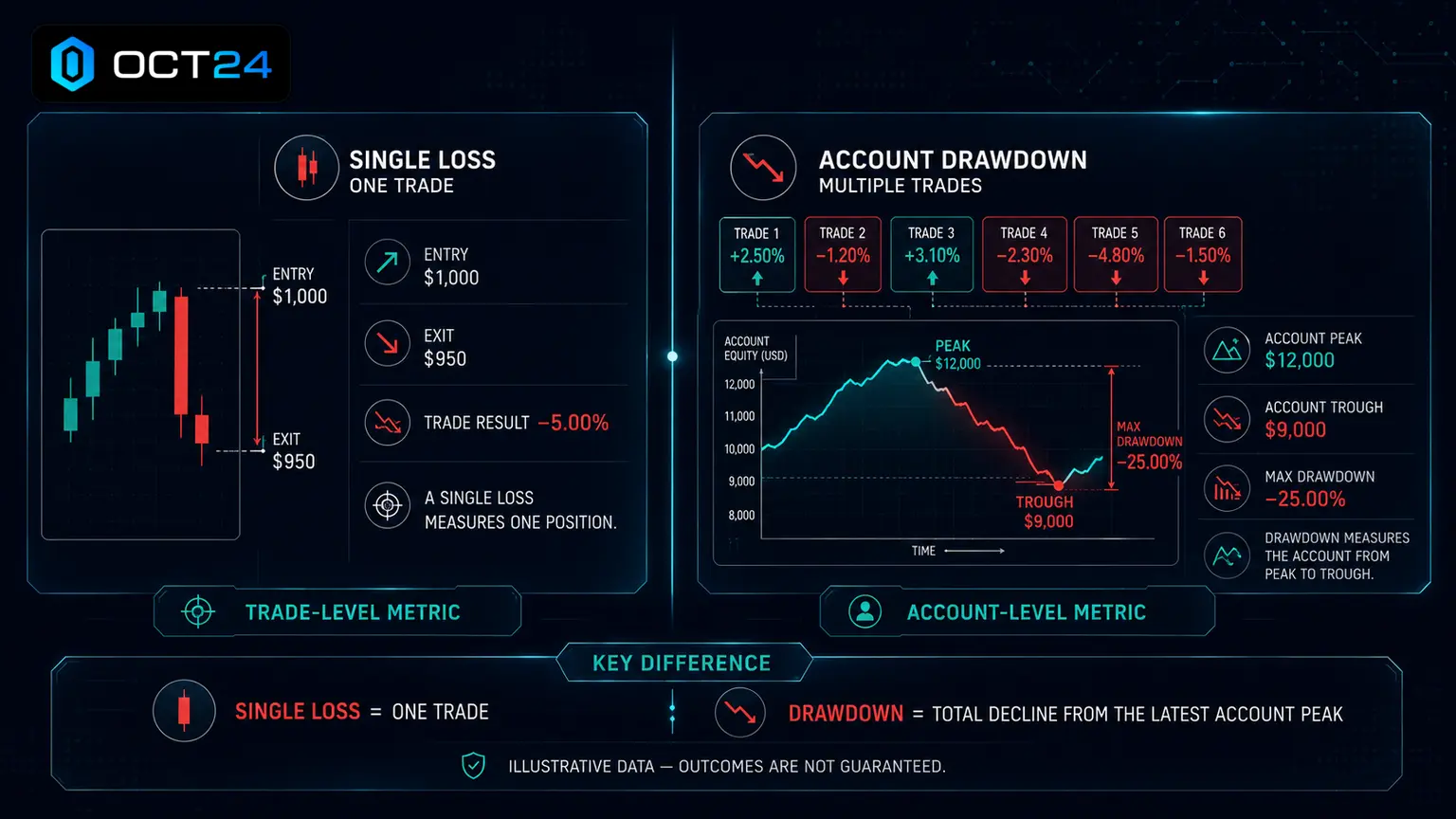
A single losing trade is one event. Drawdown is the larger decline from a recent high. This distinction matters because traders sometimes focus on individual losses while ignoring the overall account curve.
For example, a trader may lose 2 percent on one trade. That single loss may be acceptable. But if the account has fallen 15 percent from its recent high, the trader needs to review the broader pattern.
Drawdown helps traders ask better questions.
- Is my account declining because of normal trading variance
- Am I taking too many trades
- Are my position sizes too large
- Am I increasing risk after losses
- Is the market condition unsuitable for my strategy
- Do I need to pause and review my plan
This kind of review is especially useful for people learning how AI trading bots work. Bots and AI-supported workflows can still experience losing periods. The goal is not to avoid every loss. The goal is to keep losses controlled.
How drawdown is calculated
Drawdown is usually calculated by comparing the highest account value with the lowest value that follows before a recovery. The formula is simple.
Drawdown percentage equals the peak value minus the trough value, divided by the peak value, then multiplied by 100.
If an account reaches $2,000 and then falls to $1,700, the drawdown is $300. That is a 15 percent drawdown because $300 divided by $2,000 equals 0.15.
This calculation helps traders avoid vague thinking. Instead of saying, “I am down a bit,” the trader can say, “My account is in a 15 percent drawdown from its recent high.” That clarity makes risk easier to manage.
The same idea can apply to a trading bot, a strategy, a portfolio, or a full account. The exact review process may differ, but the basic question is the same: how far did the account or strategy fall before recovering?
Types of drawdown traders should know
Traders often use a few different drawdown terms. They sound technical, but the ideas are simple.
- Absolute drawdown shows how far the account falls below the original starting balance
- Relative drawdown shows the percentage decline from a peak
- Maximum drawdown shows the largest peak-to-trough decline over a period
- Current drawdown shows how far the account is currently below its most recent high
- Strategy drawdown shows how much a specific strategy has declined
Maximum drawdown is especially important because it shows the worst decline the trader has experienced during the review period. If a strategy made money overall but had a very large maximum drawdown, the trader needs to decide whether that stress is acceptable.
This is part of reviewing AI trading performance. Profit is only one side of performance. Drawdown shows how difficult the path was.
Why AI traders should pay attention to drawdown
AI-supported trading can make analysis faster and execution easier, but it does not remove drawdown. Markets still move against trades. Signals can fail. Bots can go through weaker periods.
This matters because some beginners assume AI means smoother results. That is one of the common misunderstandings around AI trading myths. AI can support analysis and structure, but it cannot guarantee a steady account curve.
A trader using AI tools should review drawdown as part of the normal process. If drawdown is growing, the trader should pause and ask whether the issue is market condition, position size, trade frequency, or emotional behavior.
This is also where trading bot risk management becomes practical. A bot can follow a process quickly, but the user still needs rules for capital allocation and exposure.
OCT24 users should treat target profit, loss coverage, and win rate as decision-support metrics, not guarantees. If the trader keeps choosing opportunities that are too large for their account, drawdown can still become uncomfortable.
How AI can help traders think about drawdown
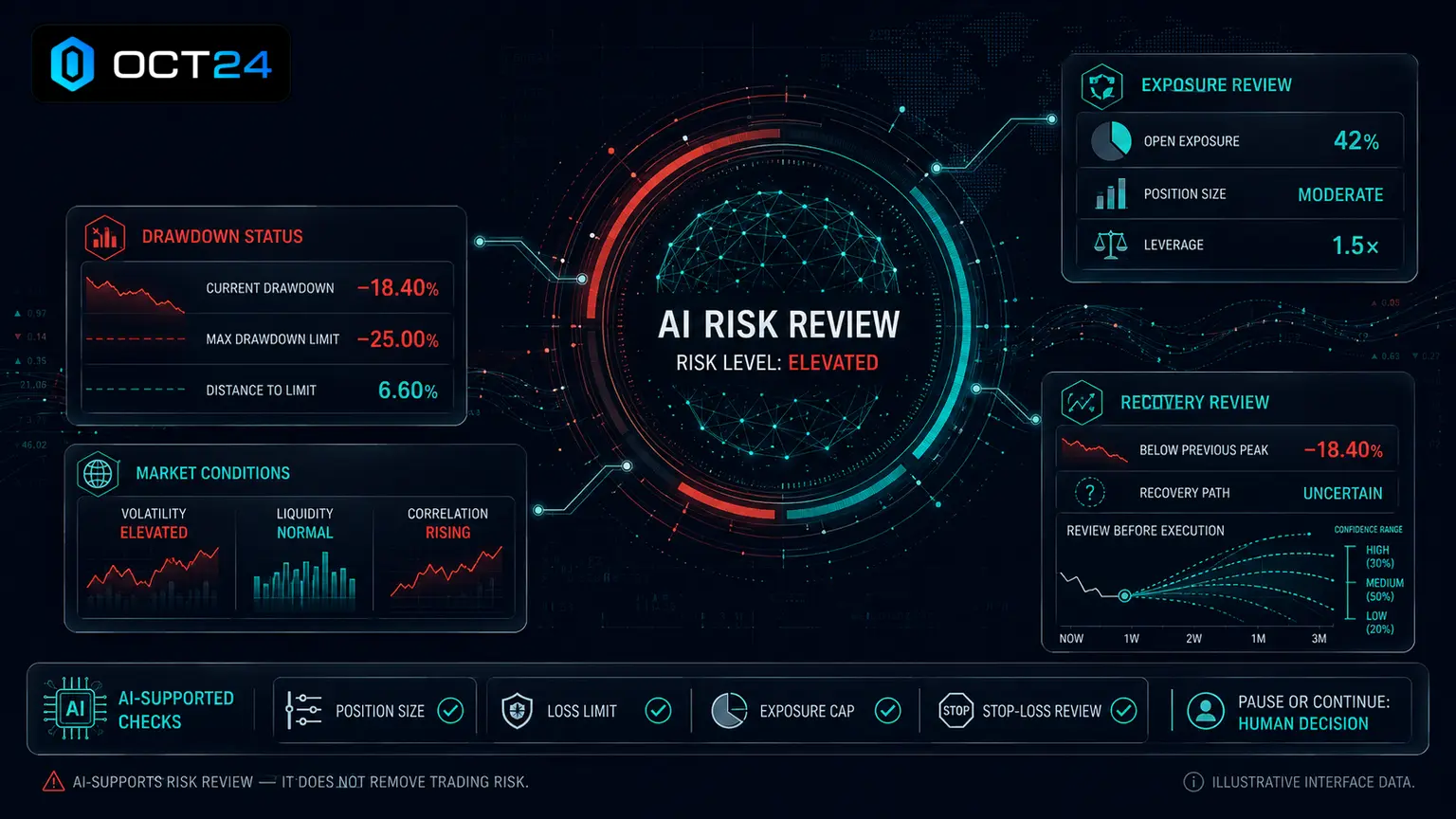
AI can help traders think about drawdown by making the review process more structured. Instead of reacting emotionally to every loss, traders can review metrics, market conditions, and their own behavior.
AI-supported systems can scan market conditions, identify potential opportunities, and present signals faster than a human trader could manually review everything. This can help reduce random decision-making, but it does not remove the need for risk limits.
A useful AI-supported drawdown review might look at the following.
- Whether recent trades were taken during volatile conditions
- Whether the trader acted more often after losses
- Whether position size increased during weaker periods
- Whether the visible win rate was treated as certainty
- Whether loss coverage was understood correctly
- Whether the trader respected their own capital limit
This connects with how AI handles market volatility and AI trading during sideways markets. Drawdown often grows when traders force strategies into market conditions that do not fit.
Where OCT24 fits into drawdown awareness
OCT24 is designed to make AI-supported trading simpler and faster. Instead of asking users to manually analyze every chart, the platform presents trade and bot opportunities with key metrics that are easier to review.
For accuracy, it is important to be clear about the current experience. OCT24 does not currently provide a full on-platform market analysis dashboard for every opportunity, and users do not see detailed asset information or exact entry and exit points for each trade. Users review visible metrics such as target profit, loss coverage, and win rate.
Those metrics can help traders think about potential reward and downside, but drawdown awareness still belongs to the trader. The user needs to decide whether the opportunity fits their account size, risk settings, and capital allocation.
The G6 Trading Bot may appeal to traders who want a faster AI-supported workflow. Speed can be useful, but it should not encourage traders to ignore drawdown. A fast experience still needs a careful risk process.
OCT24 can support decision-making by doing much of the market scanning and opportunity presentation. It does not remove trading risk or guarantee results. The trader remains responsible for exposure and execution choices.
For OCT24 users, this means reviewing each visible metric with the account curve in mind. Target profit, loss coverage, and win rate can help frame a decision, but the trader still needs to ask whether the decision supports long-term account stability.
Traders should also avoid trying to recover drawdown in one trade. That mindset often leads to larger positions, weaker discipline, and more pressure. Recovery usually works best when it is gradual and controlled.
A simple recovery plan may involve reducing trade size, lowering trade frequency, or taking a short review break. The purpose is not to panic. The purpose is to protect the account from emotional decisions while the trader reviews what changed.
Drawdown awareness should also include recovery planning. A trader should know what they will do if the account declines by 5 percent, 10 percent, or more. The answer should not be invented during a stressful session.
Drawdown and position sizing
Position size is one of the biggest drivers of drawdown. If a trader risks too much on each trade, a small losing streak can create a large account decline.
This is why position sizing controls matter. A trader should decide how much capital to expose before the trade begins, not after emotions are already involved.
Smaller position sizes can make drawdown easier to handle. They give the trader more room to review, adjust, and stay calm during weaker periods. Larger position sizes can create pressure that leads to rushed decisions.
A beginner-friendly rule is to think in account impact, not excitement. The question is not, “How good does this opportunity look?” The question is, “What happens to my account if this trade loses?”
This mindset is especially important with one-click trading. Simple execution can make a trade feel quick and clean, but position size still determines how much drawdown the account may experience.
Drawdown and trade frequency
Trade frequency also affects drawdown. A trader who takes too many trades can stack risk quickly, especially during emotional sessions.
This is why drawdown review should include the number of trades or bot activations taken during a period. If drawdown increased during a high-activity session, the issue may be overtrading rather than the signal itself.
A trader should ask these questions.
- Did I take more trades after a loss
- Did I act because the setup was clear or because I wanted recovery
- Did I respect my daily trade limit
- Did I stop when the market became unclear
- Did I use AI support as a filter or as a reason to click more often
These questions connect drawdown to behavior. A trader who reviews behavior alongside results can improve faster than someone who only looks at the final number.
Drawdown and market conditions
Drawdown is often connected to market conditions. A strategy may perform well in trending markets but struggle when prices move sideways. Another strategy may work during calm conditions but become riskier during sharp volatility.
This is why traders should review drawdown by environment. Was the account decline caused by a normal losing streak, poor timing, excessive position size, or a market condition that did not fit the strategy?
For crypto traders, drawdown can also change when capital rotates between Bitcoin, Ethereum, and altcoins. Understanding crypto market rotation can help traders make sense of shifting conditions.
Drawdown review should not lead to panic. It should lead to better questions. If the strategy is weak only in certain conditions, the trader may need filters rather than a completely new approach.
Common drawdown mistakes
Many traders make drawdown worse by reacting emotionally. The first loss is not always the biggest problem. The reaction after the loss often matters more.
Common mistakes include the following.
- Increasing position size to recover faster
- Taking too many trades during a losing period
- Ignoring daily loss limits
- Assuming a high win rate removes risk
- Treating loss coverage as a guarantee
- Changing strategy after one losing trade
- Blaming the market without reviewing behavior
- Continuing to trade when emotions are clearly high
These mistakes overlap with common AI trading mistakes. Drawdown becomes more dangerous when traders stop following their own rules.
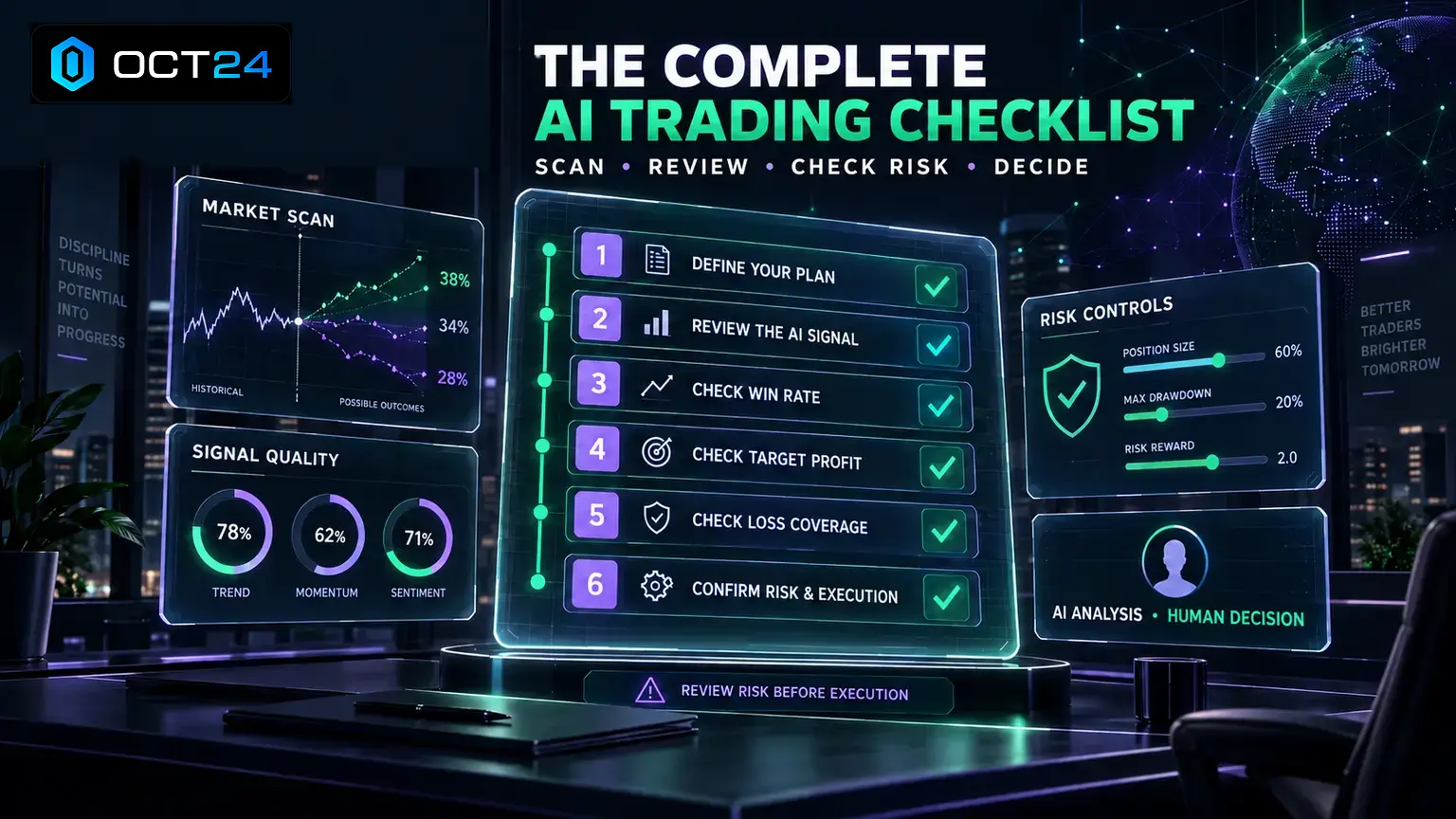
How to create a drawdown control plan
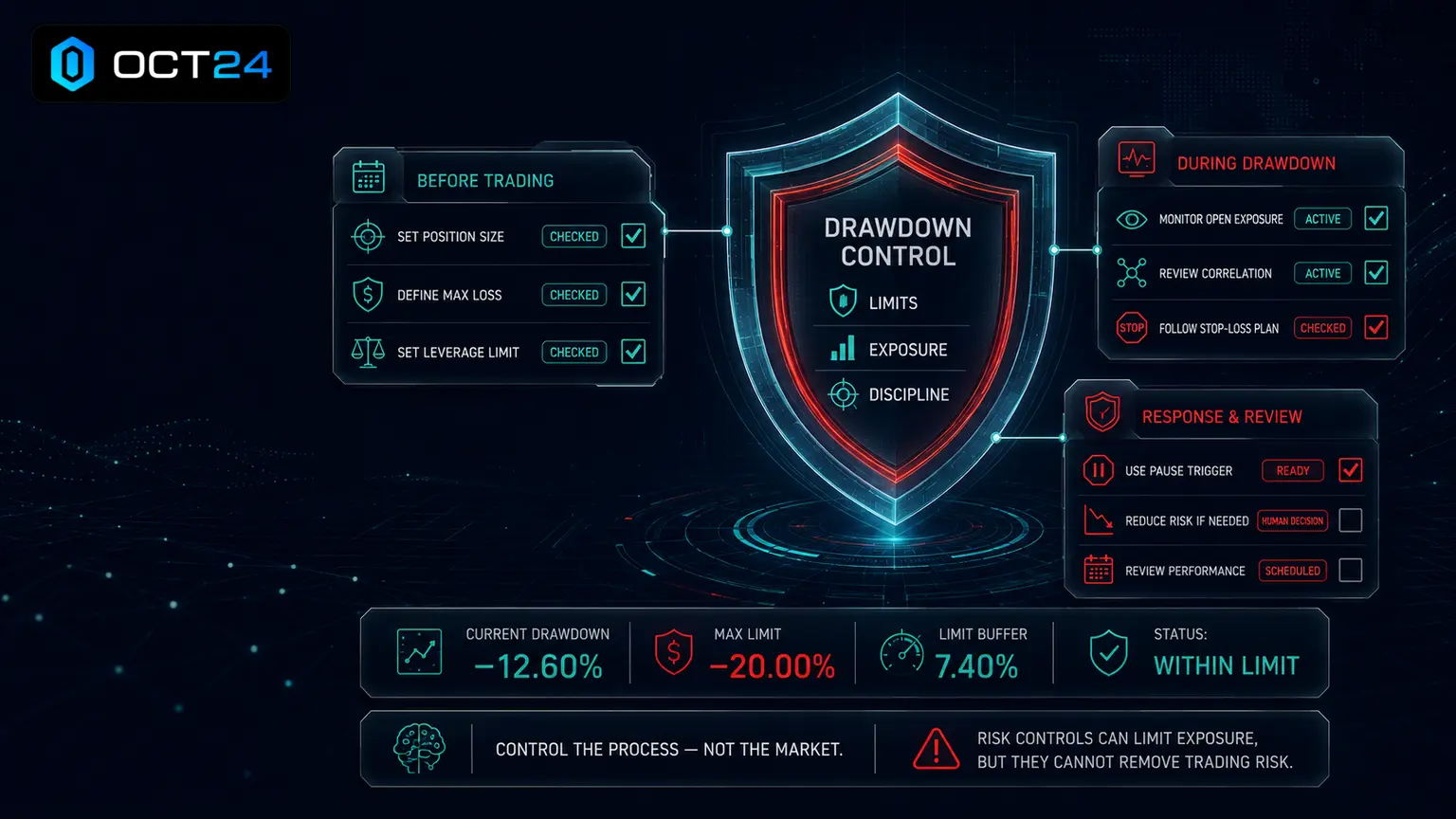
A drawdown control plan helps traders decide what to do before the account is under pressure. The plan should be simple enough to follow during emotional moments.
A basic plan can include the following.
- A maximum daily loss limit
- A maximum weekly drawdown limit
- A maximum number of trades per day
- A pause rule after a losing streak
- A position size limit for each trade
- A rule to reduce activity during volatile markets
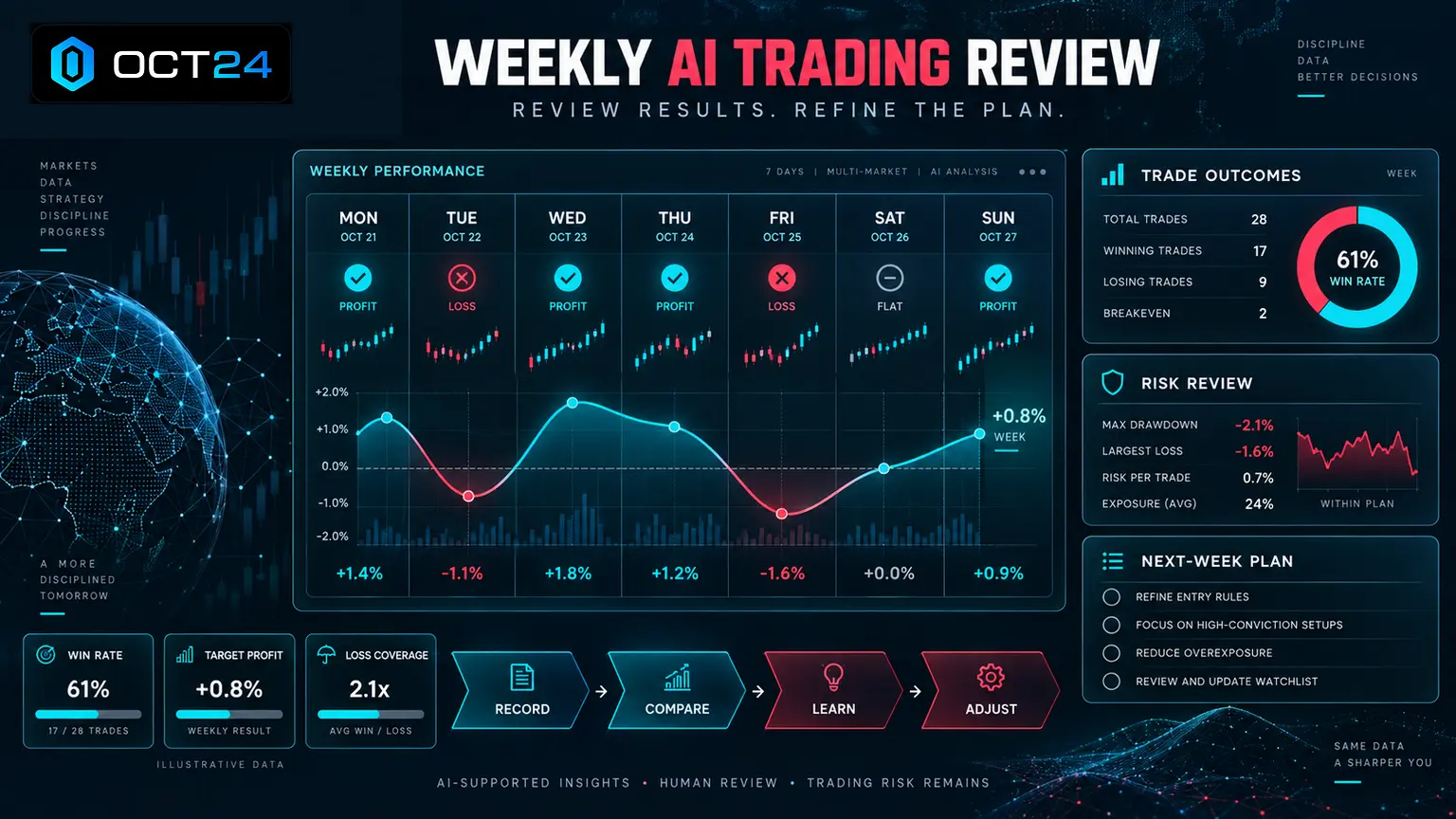
- A review schedule at the end of each week
The goal is not to avoid all losses. That is impossible. The goal is to keep losses from becoming too large, too fast, or too emotional.
This kind of plan fits naturally with a consistent trading routine. A routine helps traders review opportunities, act carefully, and stop before drawdown becomes difficult to manage.
How beginners should think about drawdown
Beginners should think of drawdown as a warning light, not a final judgment. A small drawdown can be normal. A growing drawdown means the trader should slow down and review the process.
The key is to avoid hiding from the number. Some traders stop checking performance when results become uncomfortable. That makes the problem harder to manage.
Instead, review drawdown calmly. Ask what caused it, whether it fits the plan, and whether your behavior changed. If you followed the plan and the drawdown is within expected limits, the answer may be patience. If you broke rules, the answer may be discipline.
This is useful for anyone using AI trading strategies for beginners, AI trading signals, or AI trading alerts. Signals can support decisions, but drawdown shows whether the risk process is working.
Using OCT24 with drawdown awareness
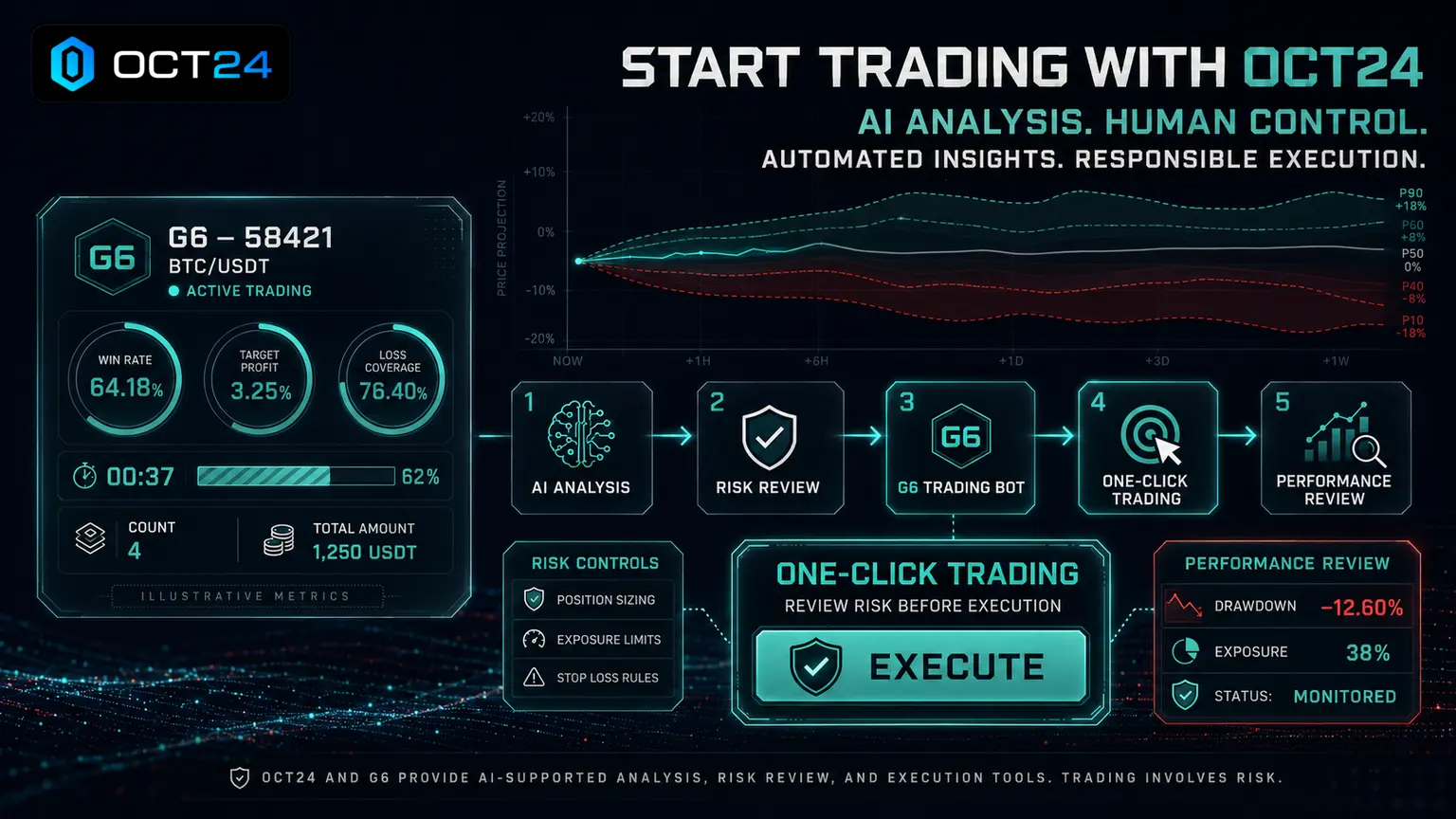
OCT24 users can build drawdown awareness into their normal review process. Before acting on a trade or bot opportunity, review the visible target profit, loss coverage, and win rate. Then compare those metrics with your own account limits.
A simple OCT24 review process might look like this.
- Review the available opportunity
- Check target profit, loss coverage, and win rate
- Decide how much capital you are willing to expose
- Ask how the account would feel if the trade loses
- Avoid increasing size after a loss
- Use one-click execution only when the risk already makes sense
- Stop when your daily or weekly drawdown rule is reached
This keeps OCT24 inside a responsible decision process. The platform can help make AI-supported trading easier to access, but the trader still decides how much risk to take.
Readers who want to learn more about the company can visit About OCT24. Traders ready to explore the platform can Start Trading with OCT24.
FAQs
What is drawdown in trading?
Drawdown is the decline from a recent account high to a lower point before the account recovers. It shows how much the account has fallen from peak to trough.
Why is drawdown important?
Drawdown is important because it shows risk, pressure, and the size of recovery needed to return to a previous high.
Is drawdown the same as a losing trade?
No. A losing trade is one event. Drawdown measures the broader decline from an account peak to a lower point.
What is maximum drawdown?
Maximum drawdown is the largest peak-to-trough decline during a specific review period.
Can AI trading still experience drawdown?
Yes. AI-supported trading can still lose money and experience drawdown. AI can support analysis, but it does not guarantee results.
Does OCT24 remove drawdown risk?
No. OCT24 does not remove trading risk or guarantee results. Traders remain responsible for risk settings, exposure, capital allocation, and execution decisions.
How can traders reduce drawdown?
Traders can reduce drawdown by using smaller position sizes, setting daily loss limits, avoiding overtrading, and reviewing market conditions.
Is a small drawdown normal?
Yes. Small drawdowns are a normal part of trading. The key is whether the drawdown is controlled and fits the trader’s plan.
What makes drawdown dangerous?
Drawdown becomes dangerous when traders increase size, chase recovery, ignore limits, or continue trading emotionally.
How should OCT24 users review drawdown?
OCT24 users should compare target profit, loss coverage, and win rate with their own account limits, then decide whether the opportunity fits their drawdown rules.
Final thoughts
Drawdown in trading is one of the clearest ways to understand risk. It shows how far an account has fallen from a recent high and how much recovery is needed to return to that level.
For AI-supported traders, drawdown awareness is essential. AI can support market scanning, opportunity identification, and signal review, but it cannot remove uncertainty.
OCT24 can help simplify the trading process by presenting AI-supported trade and bot opportunities with metrics such as target profit, loss coverage, and win rate. Those metrics can support better review, but they do not guarantee outcomes.
The trader remains responsible for risk settings, exposure, capital allocation, and execution decisions.
Used responsibly, AI can help traders become more structured and more aware of risk. Drawdown is the number that reminds traders to protect capital before chasing results.
Start Trading with OCT24 to explore a simpler AI-supported trading experience while keeping drawdown awareness and risk management at the center of every decision.