
Is USDT Really Being Banned? Here's What Crypto Traders and OCT24 Users Need to Know
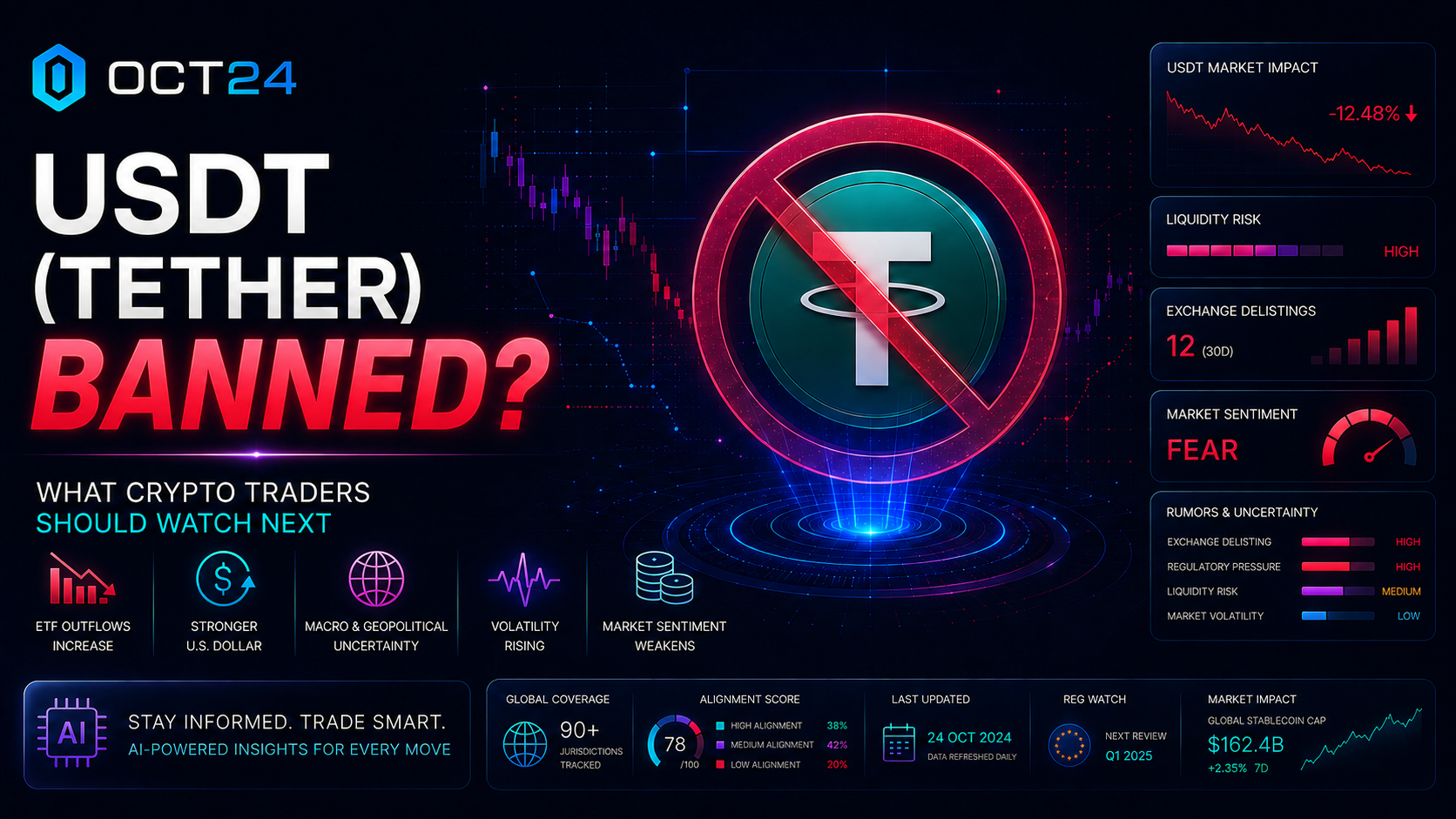
If you've been scrolling through crypto news lately, you've probably seen headlines suggesting that USDT is being banned. It's easy to see why so many traders are asking questions about the latest USDT restrictions and wondering whether they need to make changes to how they trade.
Fortunately, the reality isn't nearly as dramatic as some headlines make it sound.
The latest developments are mainly the result of new regulations in certain regions, particularly Europe, that affect how some crypto exchanges and stablecoin issuers operate. They do not mean that USDT has been banned worldwide or that traders everywhere can no longer use it.
If you use AI Trading platforms like OCT24, it's worth understanding what's actually changing so you can separate facts from speculation. Let's break down the headlines and explain what they really mean for crypto traders and why existing OCT24 users can continue using the platform as normal.
Quick Summary
Here's the short version if you're in a hurry:
✅ USDT is not being banned worldwide.
✅ Current regulations mainly affect certain exchanges operating in specific jurisdictions.
✅ Most countries have not introduced these restrictions.
✅ OCT24 continues operating normally, and current regulatory changes do not prevent users from using the platform.
What Are the New USDT Restrictions?
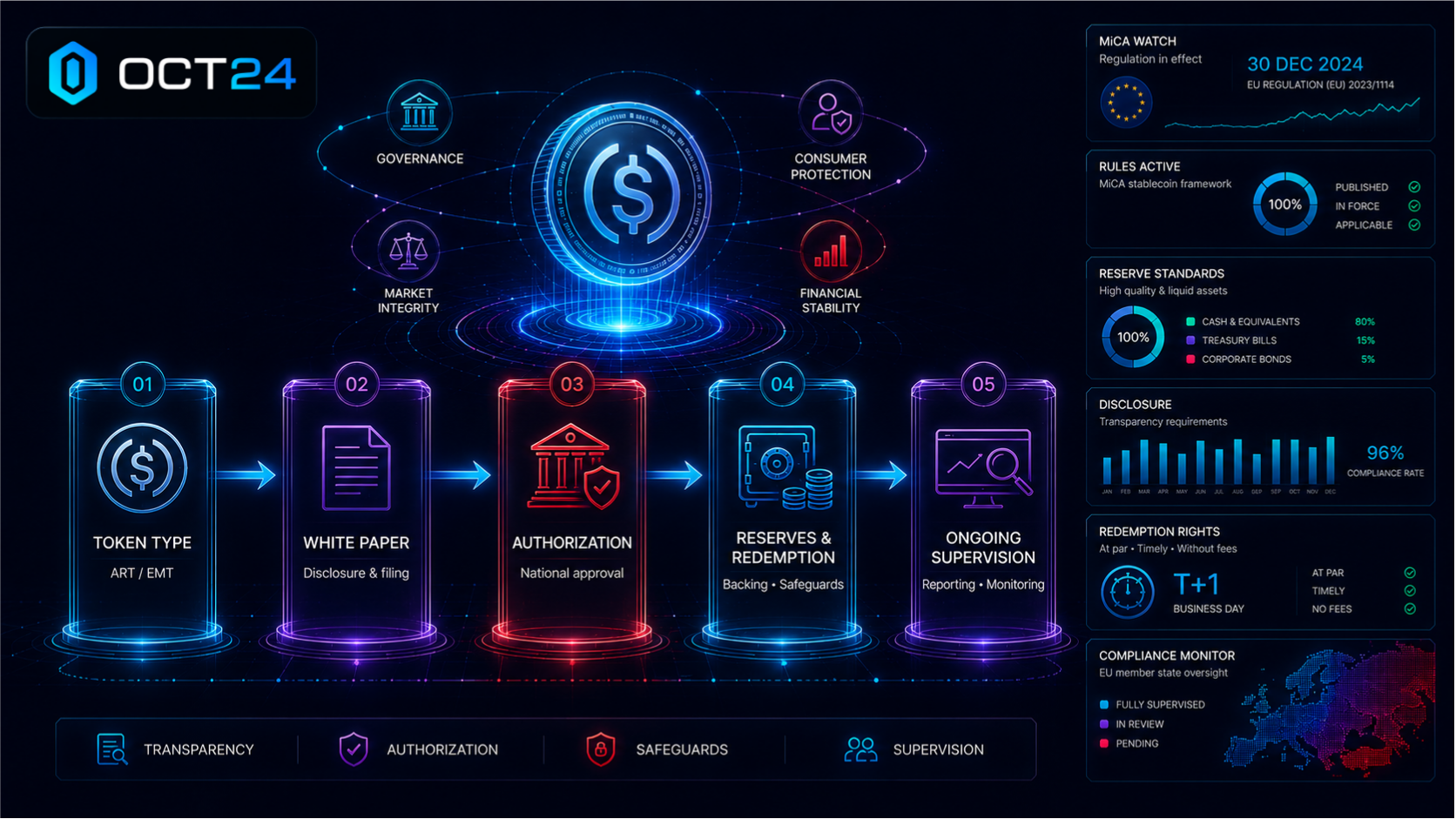
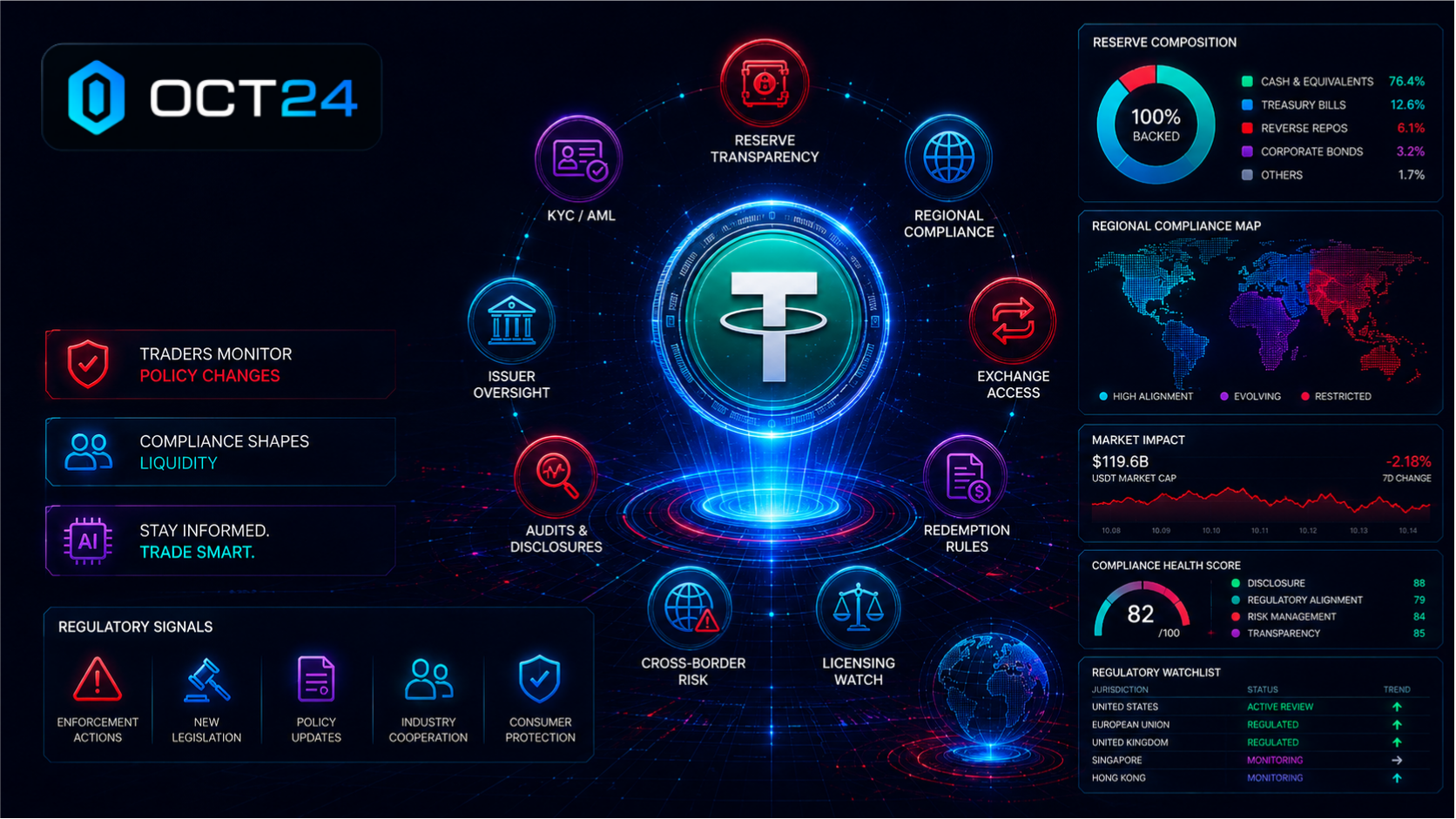
Most of the recent headlines stem from the European Union's Markets in Crypto-Assets Regulation (MiCA).
MiCA is the EU's first comprehensive set of rules designed specifically for cryptocurrencies and stablecoins. Rather than targeting one particular cryptocurrency, it establishes standards for companies that issue and offer digital assets within the European Economic Area (EEA).
One important part of MiCA focuses on stablecoins like USDT.
For a stablecoin to be offered on regulated European exchanges, its issuer generally needs to meet certain licensing and compliance requirements. Since Tether, the company behind USDT, has not obtained authorization under MiCA, several regulated European exchanges have adjusted how they support USDT for customers in those regions.
That's why you've seen reports of exchanges removing certain USDT trading pairs or limiting new deposits.
This has understandably caused confusion, but it's important to understand what these changes actually mean.
The regulations primarily affect:
- regulated crypto exchanges
- stablecoin issuers
- how certain products are offered within Europe
They do not automatically prevent individuals from owning or using USDT globally.
Why Are Some Countries Introducing These Rules?
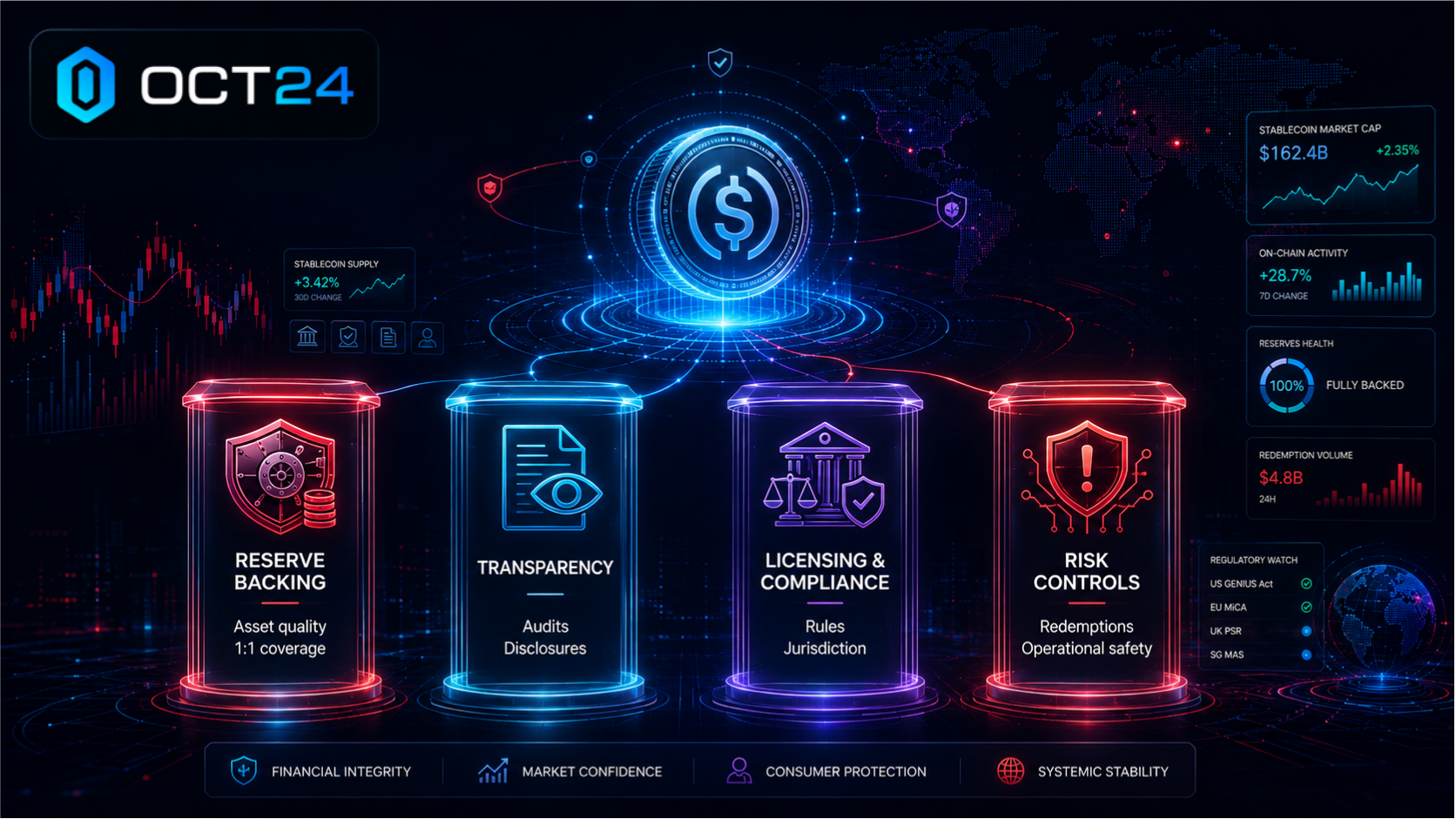
As cryptocurrencies continue to grow, regulators are introducing clearer frameworks to help oversee the industry.
Their objectives generally include:
- protecting consumers
- improving reserve transparency
- establishing licensing requirements
- reducing financial crime
- creating consistent regulatory oversight
These regulations aren't saying that USDT is unsafe.
Instead, they're setting standards that stablecoin issuers must meet if they want their products to be available on regulated platforms within certain jurisdictions.
Think of it like financial regulations for banks.
A bank isn't considered unsafe simply because new regulations require additional reporting or licensing. The same principle applies to stablecoins.
The goal is to create a more transparent and regulated market—not to eliminate stablecoins altogether.
Which Countries Are Affected?
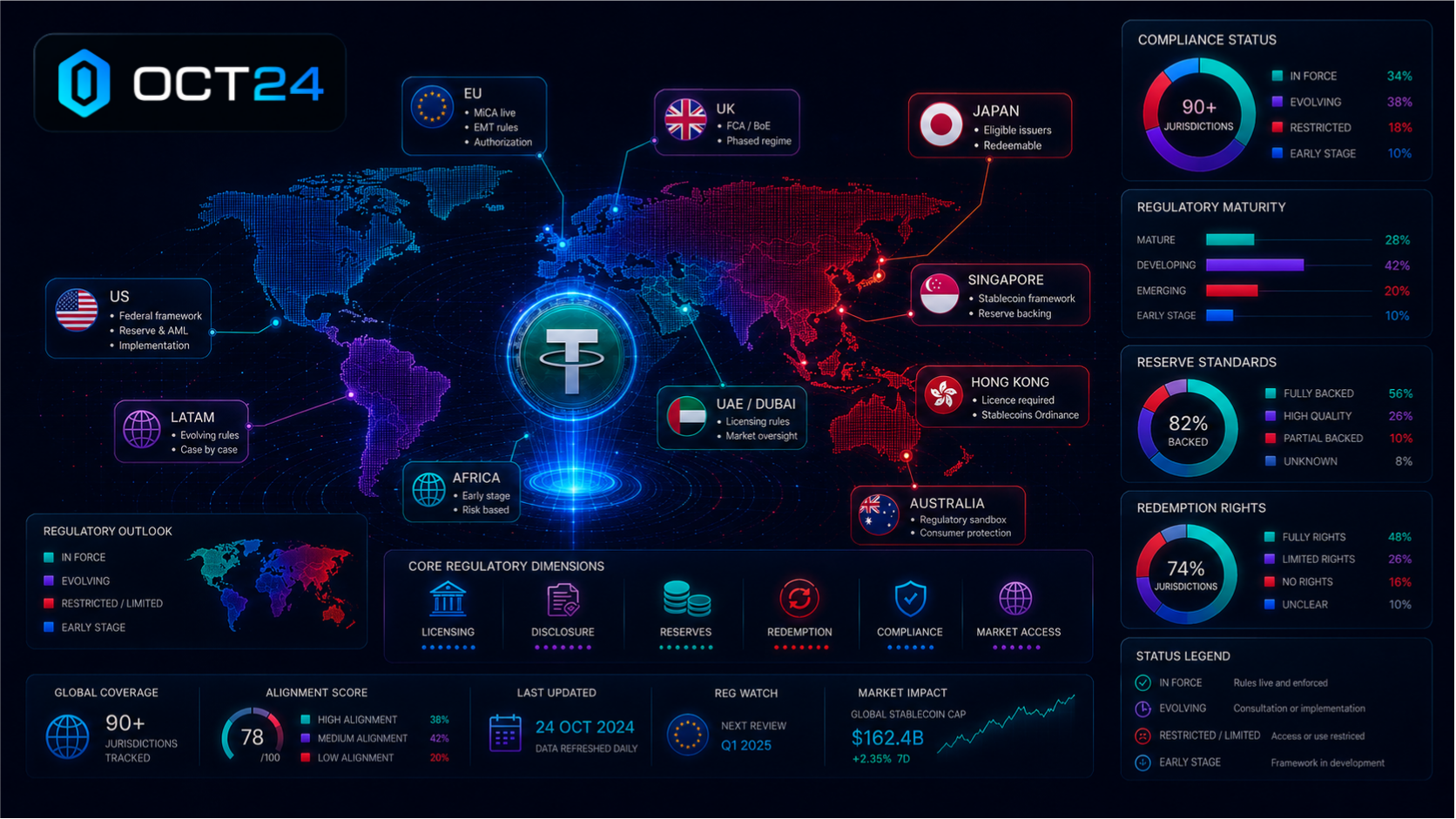
The biggest changes currently affect the European Union and countries within the European Economic Area (EEA).
Because MiCA now governs crypto assets in these regions, regulated exchanges have been updating their platforms to comply with the new rules.
Depending on the exchange, this may include:
- removing some USDT trading pairs
- restricting new USDT deposits
- encouraging users to use alternative compliant stablecoins
Outside Europe, however, the situation looks very different.
Many countries, including several of the world's largest crypto markets, have not introduced the same restrictions.
Every country is developing its own approach to crypto regulation, which means rules can vary significantly depending on where you live and which exchange you use.
This is one of the main reasons the headlines have been misleading. A regulatory change affecting exchanges in one region doesn't necessarily apply everywhere else.
What Does This Mean for Crypto Traders?
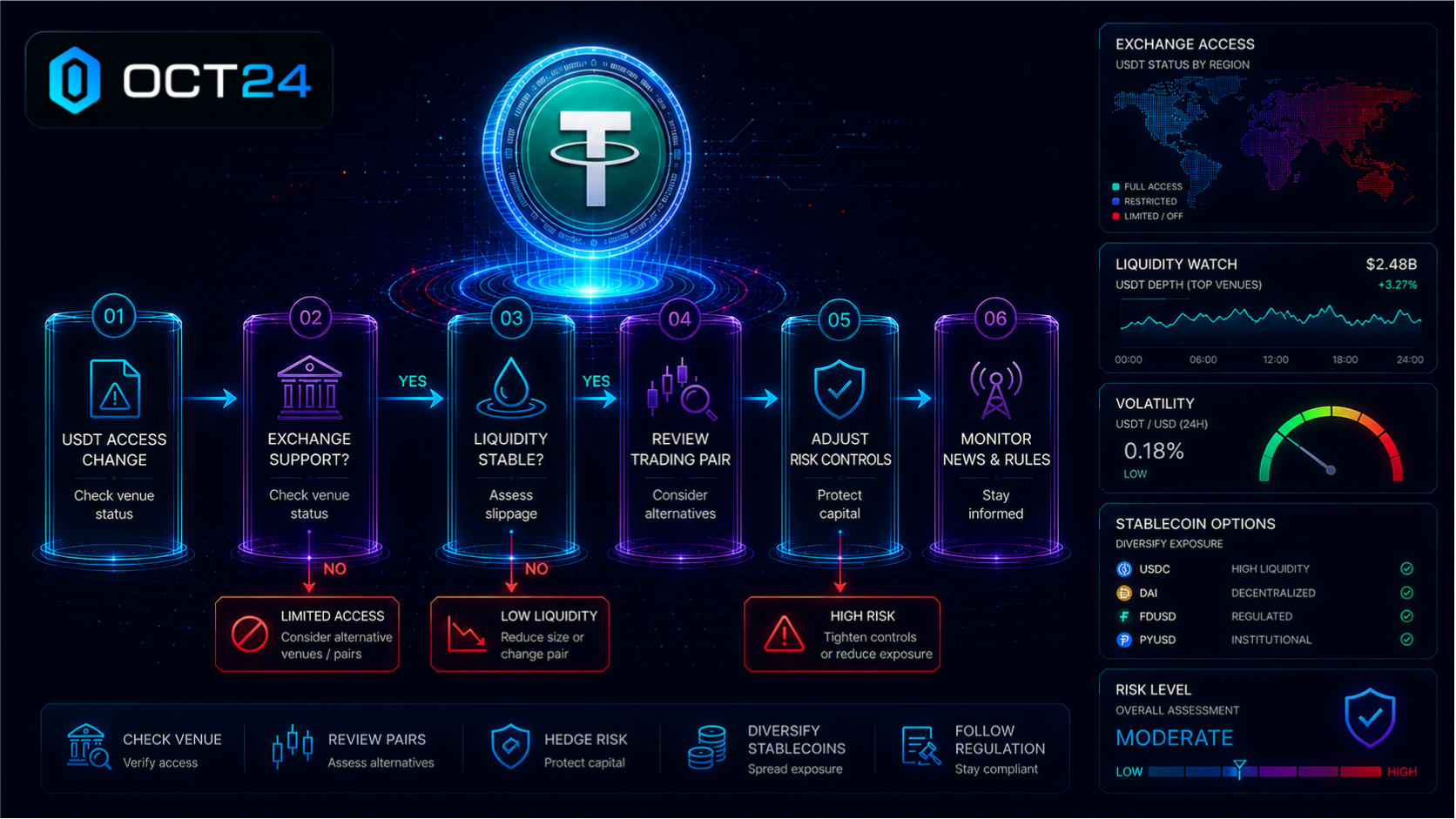
For most traders, the practical impact is smaller than the headlines suggest.
Depending on your location and exchange, you may notice changes such as:
- certain USDT trading pairs being removed
- restrictions on deposits
- different withdrawal options
- new stablecoin alternatives becoming available
But none of these developments mean that USDT has disappeared from the global cryptocurrency market.
In fact, USDT remains one of the most widely used stablecoins in the world and continues to provide liquidity across many international exchanges.
The biggest takeaway is that these changes are largely about exchange compliance, not about banning USDT itself.
If you trade on multiple exchanges, you may simply find that one platform supports different stablecoins than another.
Whether you trade manually or use Automated Trading tools, it's helpful to remember that regulations often affect exchange operations rather than the technology traders use to analyze or execute trades.
What Does This Mean for OCT24 Users?
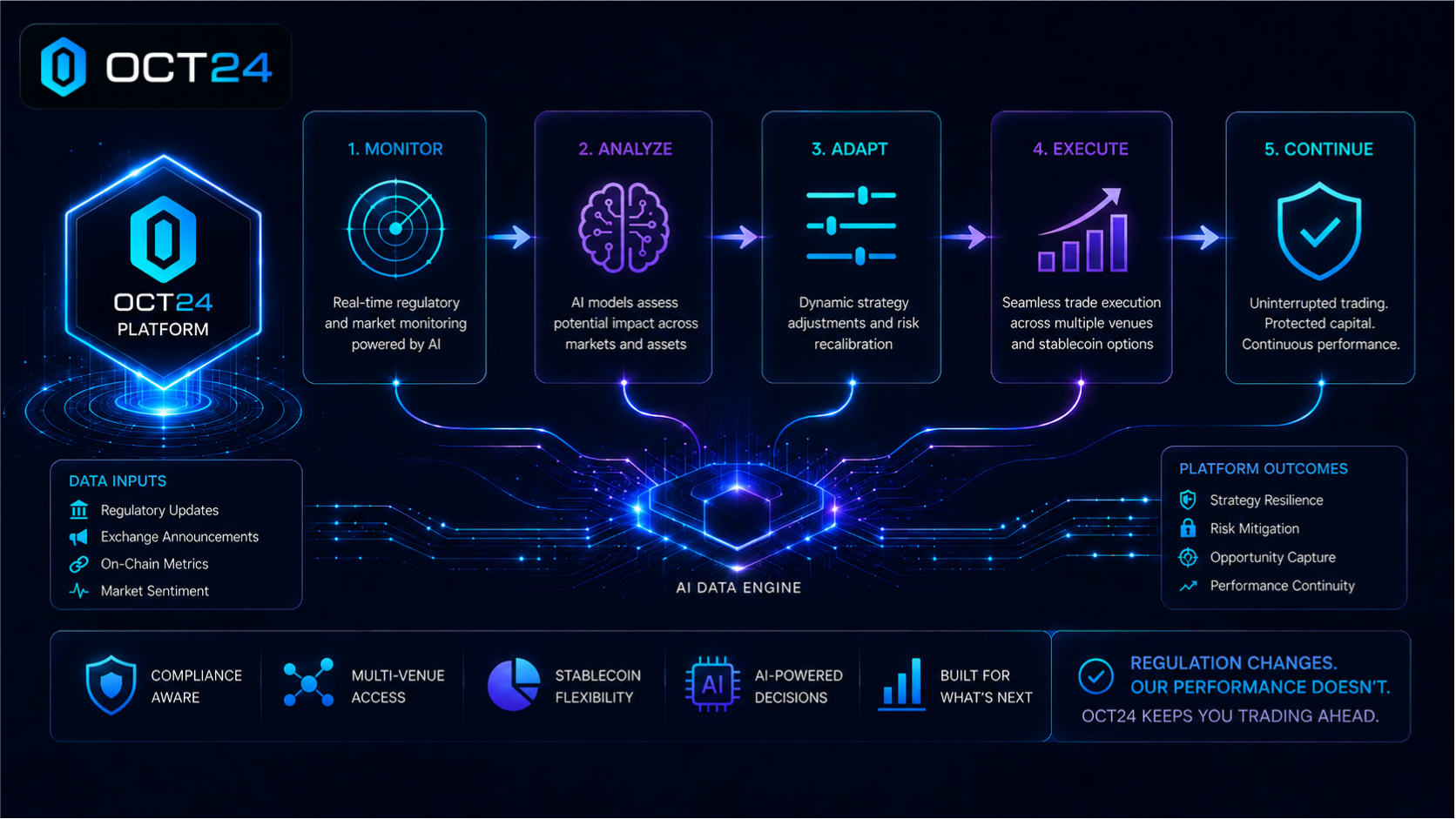
The short answer: nothing changes today.
If you're already using OCT24, you can continue using the platform as normal.
Current USDT regulations do not prevent users from accessing OCT24 or placing trades through the platform.
This also applies to the G6 Trading Bot, which continues operating normally within the OCT24 platform. The G6 bot analyzes market conditions and identifies short-term trading opportunities, while users remain in full control of whether to execute each trade. The recent USDT regulatory developments do not change how the bot performs its market analysis or presents trading opportunities to eligible users.
Like every responsible fintech company, OCT24 continuously monitors regulatory developments across the cryptocurrency industry. As regulations evolve around the world, the platform evaluates how those changes may affect users and operations.
Modern AI Trading Software platforms like OCT24 are designed to adapt to the changing crypto landscape while helping traders stay focused on market opportunities rather than regulatory headlines.
If future regulatory developments ever require changes to the platform or supported services, OCT24 will communicate those updates clearly and well in advance.
That means there's no need to react to every headline or social media rumor. Staying informed through trusted sources—and official platform announcements—is usually the best approach.
Want to learn more about OCT24? Watch this quick video to see how the platform supports active traders with AI-powered insights, automation, and smarter decision-making.
Watch now: Welcome to OCT24.ai | The Future of One Click Trading
If you'd like to learn more about the company and its mission, visit the About OCT24 page.
Frequently Asked Questions
Is USDT really being banned?
No. Current regulations affect certain exchanges and jurisdictions, particularly within Europe. They do not amount to a global ban on USDT.
Can I still use USDT?
In many countries, yes. Whether you can use USDT depends on your location and the policies of the exchange you use.
Is MiCA banning Tether?
No. MiCA establishes regulatory requirements for stablecoins offered on licensed European exchanges. It doesn't specifically ban Tether.
Which countries are affected?
The primary impact is currently within the European Union and European Economic Area, where MiCA regulations apply.
Will USDT disappear?
No. USDT remains one of the world's largest and most widely traded stablecoins.
Can I still trade with OCT24?
Yes. OCT24 continues operating normally, and current regulatory developments do not prevent users from using the platform.
Does this affect existing OCT24 users?
No changes are required for existing users. OCT24 continues monitoring regulatory developments and will communicate any future platform updates if necessary.
Does this affect the G6 Trading Bot?
No. Current USDT regulatory developments do not change how the G6 Trading Bot analyzes market conditions or identifies trading opportunities within the OCT24 platform. As always, OCT24 continues monitoring regulatory developments and will communicate any platform updates if future changes become necessary.
Should I switch stablecoins?
That depends on your location, your exchange, and your trading preferences. If your exchange changes its supported stablecoins, you may wish to review the available alternatives.
Key Takeaways
Before you head back to the markets, here are the most important points to remember:
- Regulations differ from one country to another.
- Headlines often oversimplify complex regulatory changes.
- Current rules mainly affect certain regulated exchanges in Europe.
- USDT remains one of the world's largest stablecoins.
- OCT24 continues operating normally.
- Stay informed through official announcements rather than social media speculation.
Final Thoughts
Whenever major regulatory news breaks, it's natural for traders to have questions.
In this case, the recent USDT restrictions are largely about regulatory compliance for exchanges and stablecoin issuers operating in specific jurisdictions, not a worldwide ban on USDT.
For most traders, the most important step is understanding how local regulations affect the exchanges they use, rather than assuming every headline applies globally.
For OCT24 users, the message is straightforward: the platform continues operating normally while closely monitoring the evolving regulatory landscape. As regulations develop, OCT24 will continue keeping users informed so they can trade with confidence.
The cryptocurrency industry is constantly evolving, and regulatory frameworks will continue to mature alongside it. Staying informed through reliable sources—and avoiding unnecessary panic—will help you make better decisions over the long term.

Ready to continue your crypto trading journey? Start Trading with OCT24 and stay informed as the cryptocurrency industry continues to evolve.